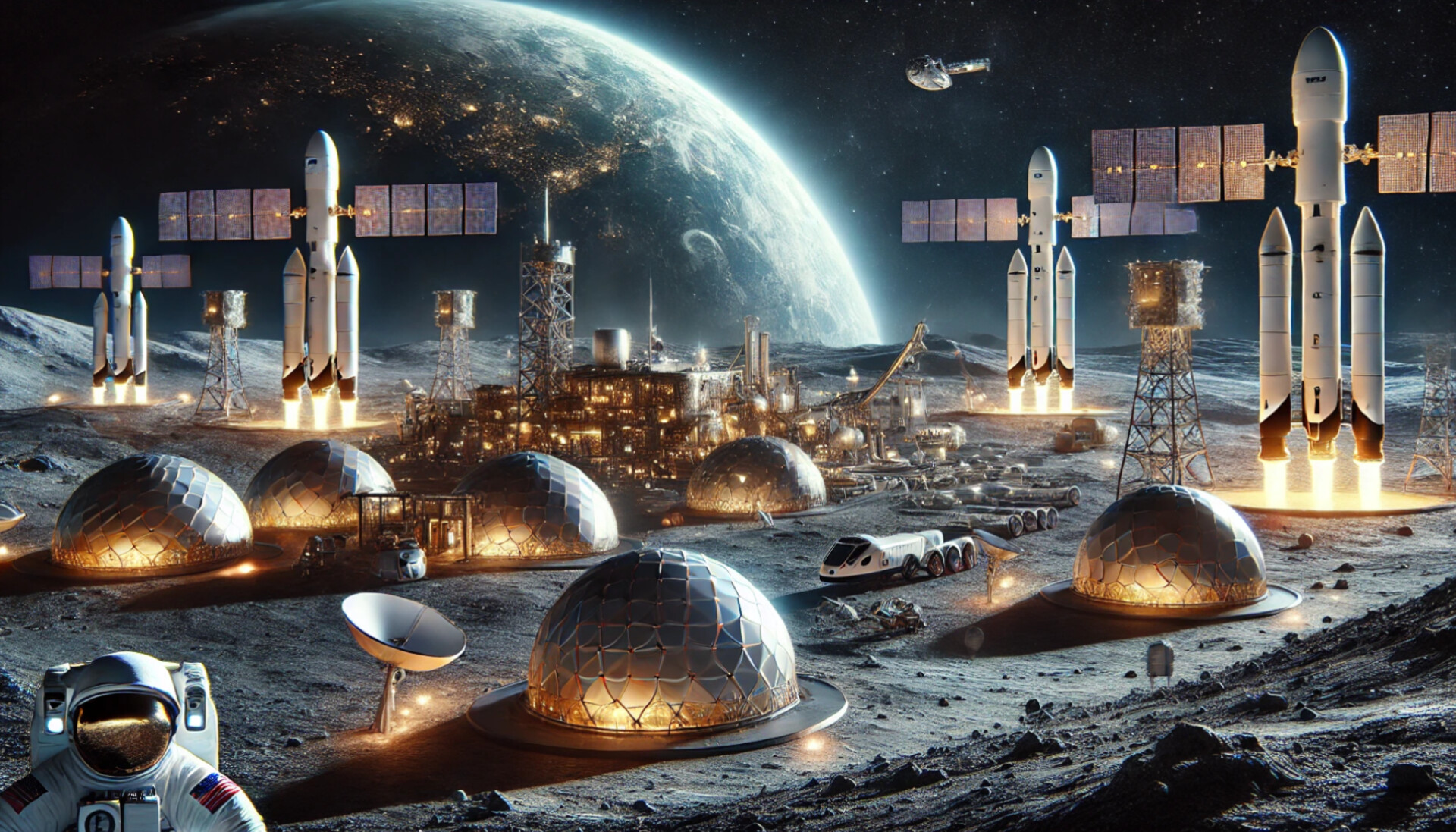
"The world is running out of clean, reliable energy. But what if we could harness the power of the Sun 24/7, uninterrupted, from space?
What if we could build the first-ever lunar power station to fuel both Earth's energy grid and humanity's future on the Moon?
This isn't science fiction. It's our next step toward becoming a multi-planetary species, and the time to invest is now."
The Problem: Earth's Energy Limitations
Earth-based solar is limited • Night cycles, weather, and land use restrictions.
❌ Fossil fuels are unsustainable • Dirty, expensive, and geopolitically unstable.
❌ Energy demand is skyrocketing • AI, EVs, and data centers require more power.
The Solution: Lunar Solar Power
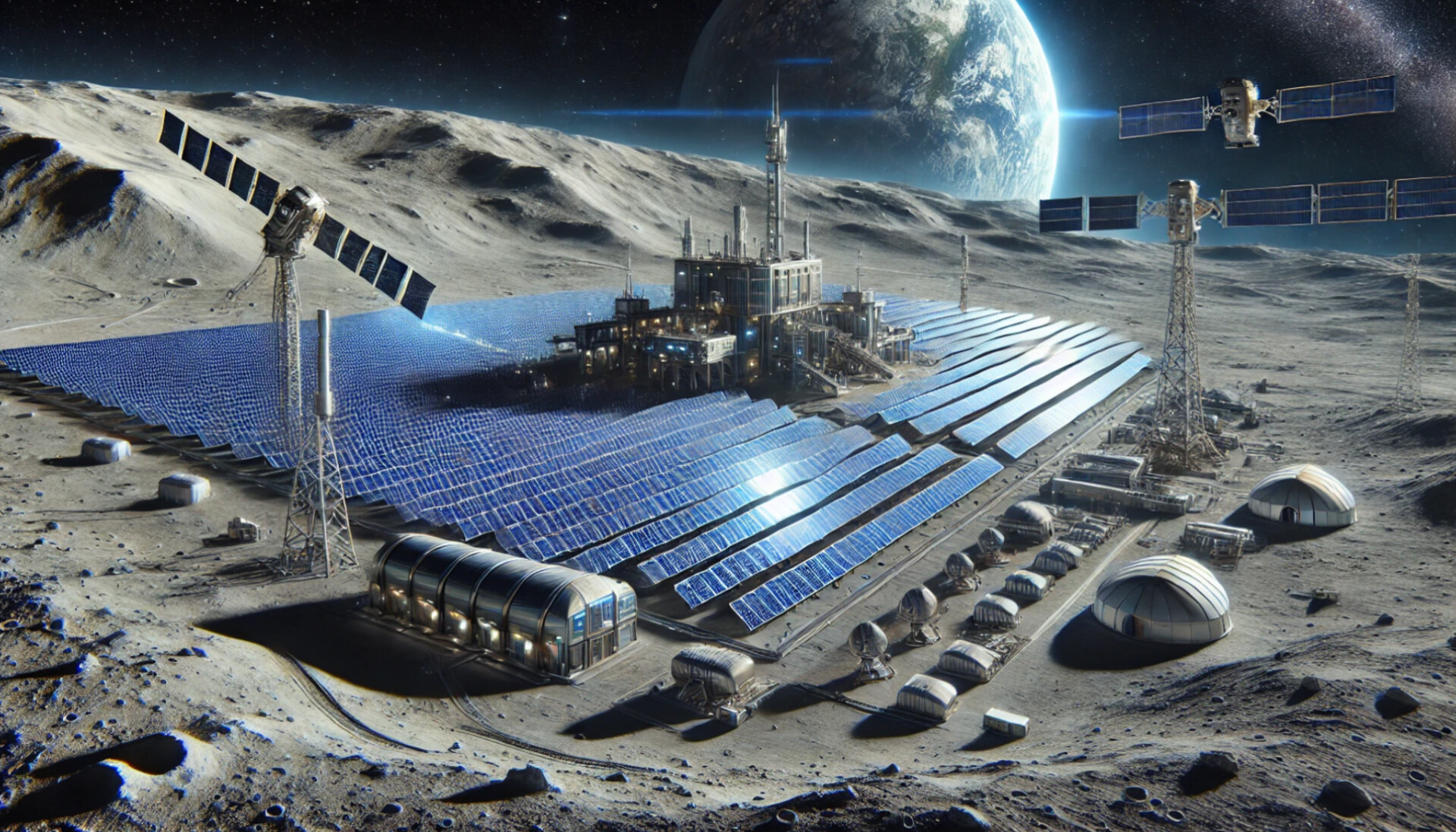
• 5 square miles of high-efficiency solar panels at the Moon's poles.
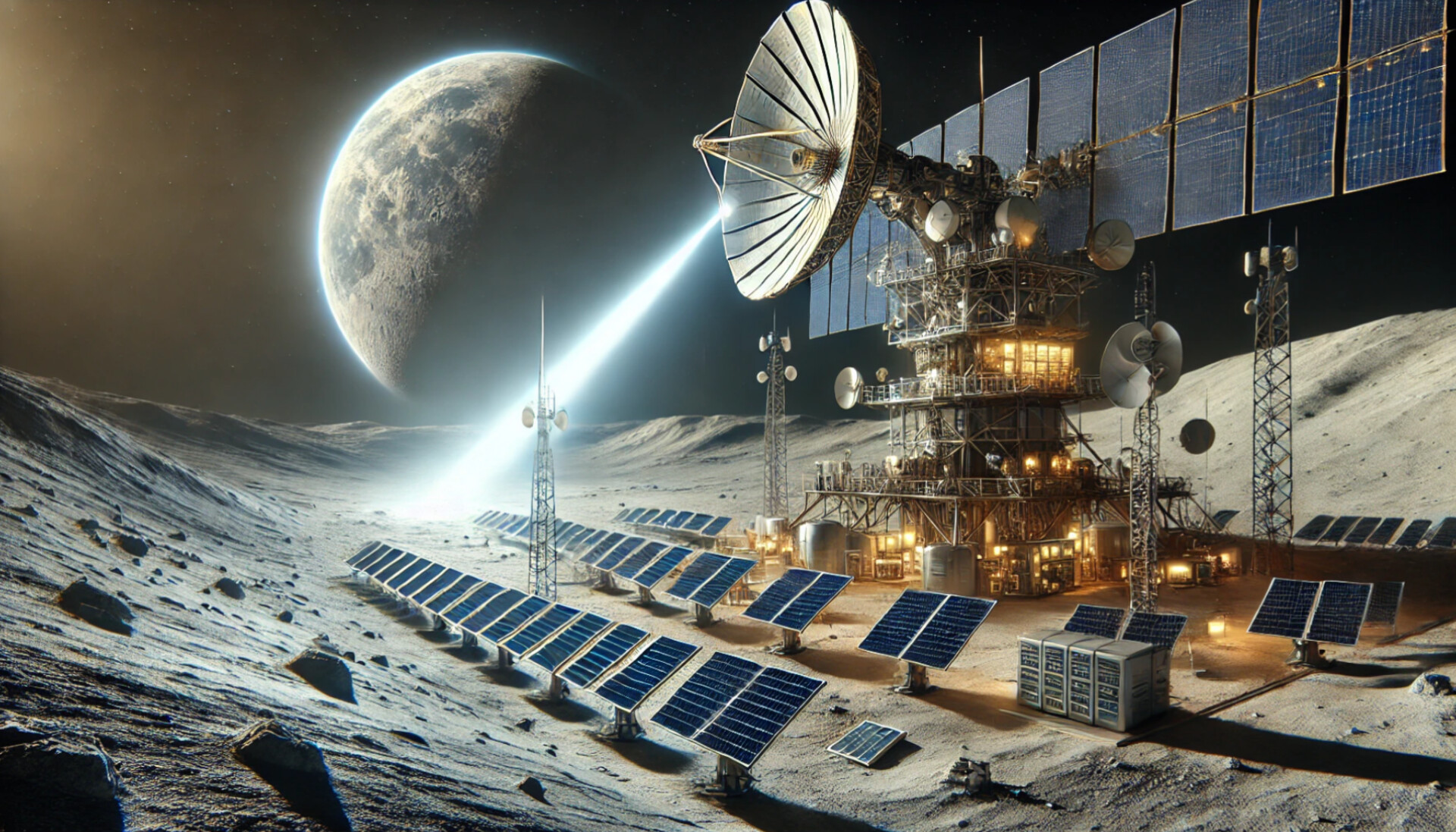
• 24/7 energy transmission via microwave beam to Earth.
• Energy storage & distribution for both Earth and future Moon operations.
How It Works • Technical Breakdown
• Lunar Solar Farm: Continuous sunlight ensures maximum energy collection.
• Energy Storage: Lunar batteries + Earth-based rectenna storage.
• Microwave Transmission: High-efficiency beam to Earth's rectenna farm.
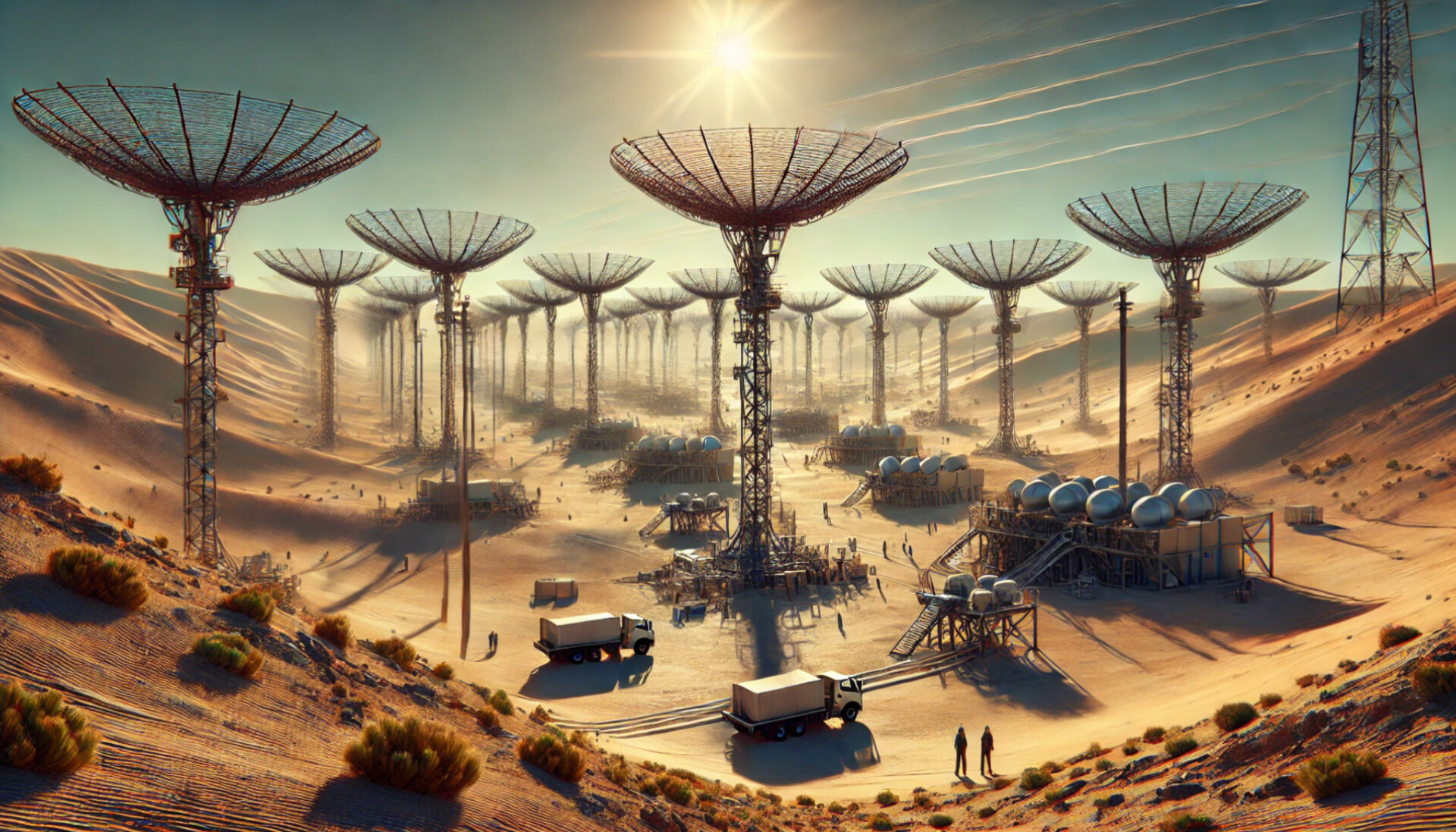
• Earth Receiving Station: A 25-30 square mile rectenna array feeds power into the grid.
The Business Case • Costs vs. Revenue
• Initial Investment: $3.5 billion for setup.
• Annual Revenue: $876 million/year at just $0.10 per kWh.
• Break-even: 5 years, then nearly $800M profit per year.
• Market: $4+ trillion global energy industry with first-mover advantage.
The Project Overview
Lunar Solar Power Station • From Concept to Reality
1. Project Overview
A 5-square-mile solar farm located at the Moon's poles, generating at least 1 gigawatt (GW) of clean energy, transmitted via microwave beams to a receiving station on Earth.
Why Build It?
Limitless Solar Energy: No atmospheric interference, 24/7 sunlight at the poles.
Earth Benefits: Clean, reliable energy supply for global needs.
Space Benefits: First off-world energy grid, supporting lunar bases and future Mars missions.
2. Building the 5-Square-Mile Lunar Solar Farm
Step 1: Site Selection
The Moon's poles offer near-constant sunlight (e.g., the Peary Crater near the north pole). Stable temperatures (~-50°F to 90°F) prevent extreme heat/cold damage.
 Total Estimated One-Time Costs: $20 - $40 Billion
Total Estimate: $2.5 - $5.5 Billion Per Year
Total Estimated One-Time Costs: $20 - $40 Billion
Total Estimate: $2.5 - $5.5 Billion Per Year